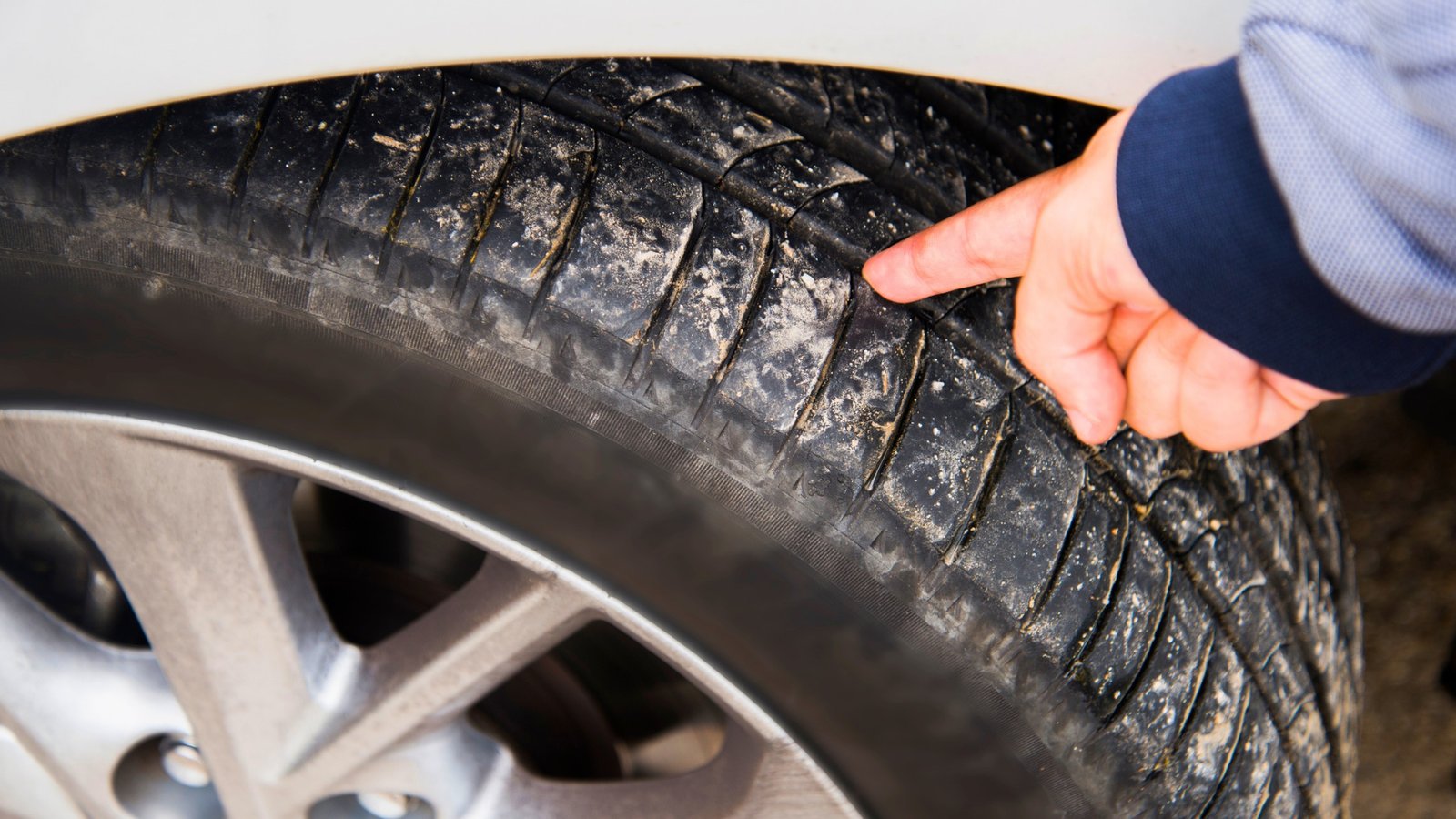
Tires are the only component of the car that is in contact with road this makes tread an important safety point. The U.S. Department of Transportation and the National Highway Traffic Safety Administration (NHTSA) recommends us to change tire when tread size reaches to 2/32. However, this safety standards can also compromise your safety in wet or snowy conditions. this is the complete guide to “how to check tire tread” in simple and accurate way.
What is Tire tread and why does it matter?
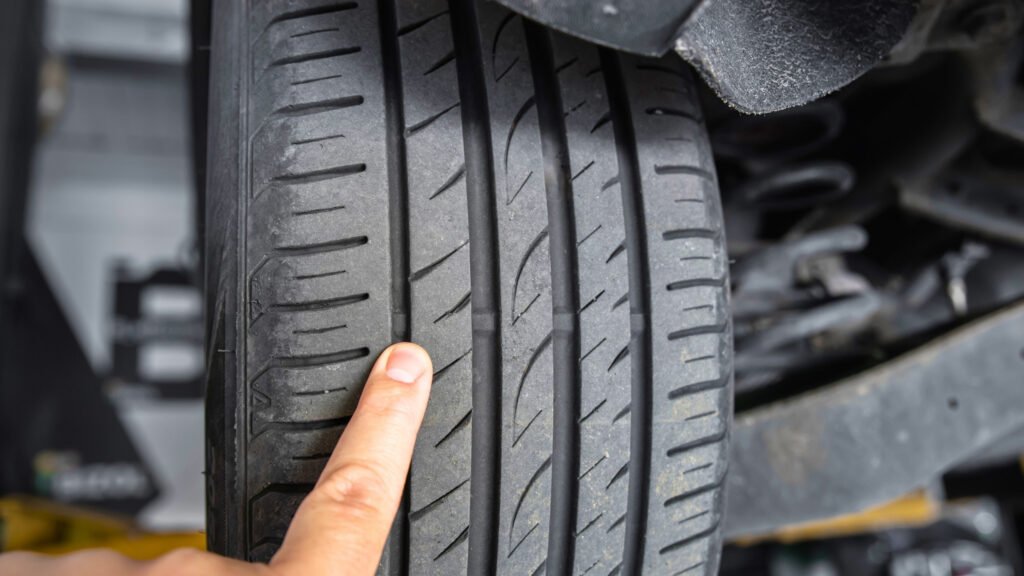
Tire tread is a patterned rubber present on the tires outer area. It has raised rib like portion along with tread blocks and slight slits in the treads.
Many of you might think that Tire Treads provides grips on dry roads but let me tell you that your car’s tire are efficient to provide grips on dry roads. They are mainly given to remove or give way to water or wet material out of the tire so they don’t feel slippery and stay gripped to road.
As a tire wear down these Tire Treads grooves it will have smaller way to water to squash out. hence, the tire starts to run on the water which is more slippery and increases risk of skit. As per our expert, if your tire’s tread are declined below 4/32 inches then it will have sharp decline in the water squishing cpacity.
At 2/32 of inches of tread you will need to stop at almost every wet road or condition. tires can’t simply grip on this level of treads.
Legal & Minimum Safety Thresholds
In the United States, tread size is measured in the 32nds of an inch but state laws varies. for example in the Illinois it is required to have 3/32 inch for the vehicles to be sold and leased.
- 10/32+ is an legal tread size and considered new or new and has most optimum water evacuation performance.
- 8/32 – 9/32 is also considered legal and has very good performance.
- 6/32 – 7/32 this also legal and provides good grip in wet and snow conditions.
- 5/32 is bare minimum tread size to have and you should be cautious while driving in the snow or wet conditions.
- 4/32 it is also legal but at this point you need to replace the tire for your safety.
- 3/32 & 2/32 is the danger zone here you don’t have any depth for squishing away water and we recommends you to replace immediately with new tire.
NHTSA guidelines claims passengers vehicle with tire treads below 2/32 inches are unsafe and can not be used. For commercial vehicle, Federal Motor carrier safety administration recommends to have at least 4/32 inches on the steer axle.
How to check tire tread
I think i have given enough info on the tire tread safety now let’s move to our real question of “how to check tire tread” . there are multiple methods by which you can check it:
Method 1 – Penny Test
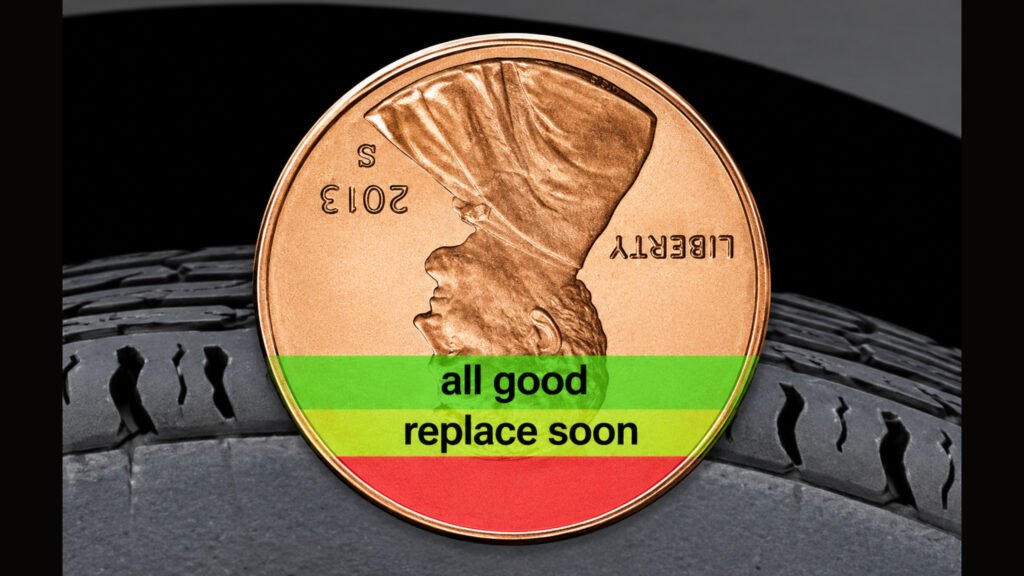
This is the most common and easy to do test for checking tire tread. best part of these it does not require any tool or expensive procedure; it just need a U.S Penny.
Since the distance from the edge of U.S penny to Abraham Lincoln’s head is exactly measured to be 2/32 of inch, it gives a reference to measure the tread size safety.
- chose the smallest and shallowest groove on the tire, do not use horizontal wear bars.
- insert the coin into the groove while Lincoln’s face facing you and completely pointing it upside down, like shown in the image.
Now, see the Lincoln’s head, if tire tread is covering some part of Lincoln’s head then your tire is well above 2/32 inches and if it does not cover Lincoln’s head then your tire tread has gone below safety level of 2/32 inches and you need to replace them immediately.
However, you should check this in multiple points as tires sometimes get’s torn down at few places rather than all at same time.
Method 2 – Quarter Test
The Classic Penny test tells you weather your tire is below or above 2/32 inch tread size but quarter test tells you if your tire are close to danger zone for driving in the wet or snowy roads. here also we use U.S quarter, now the distance from the quarter’s edge to George Washington’s head is exact 4/32 inches so we use that as a reference.
- Insert quarter in the the main groove while Washngton’s head is upside down.
- If groove depth covers the Washngton’s head then your tire tread is well above 4/32 inches.
- If you can see Washngton’s head it means your cars tire’s tread is 4/32 inches or below it.
At 4/32 inches your car’s braking distance is increased along with increased risk of hydroplaning. If you like in the areas like Florida, considering it’s weather condition you will have to replace the tire at 4/32 inches of tread.
Method 3 – Built in tread wear indicators
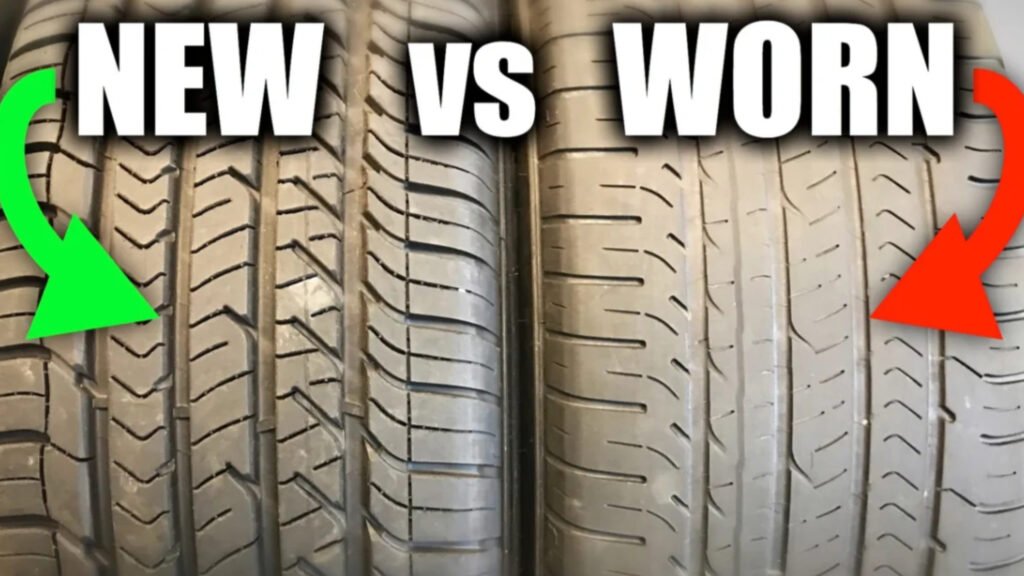
As per law, every tire manufactured in the U.S are required to have tread wear and tear marks. these are the raised bars present on the bottom of every tires.
You can find them by looking at the tires bottom, they are connected to the grooves lines. these bars are placed just over 2/32 inches avbove on the groves. when the tire starts to torn away you will notice these indicators are starting to get lesser shallow.
If your tires tread level is gone below 2/32 inches you can see your tire has no more of these indicators present on bottom and you shoulkd replace the tire.
Method 4 – Using Tread depth gauge
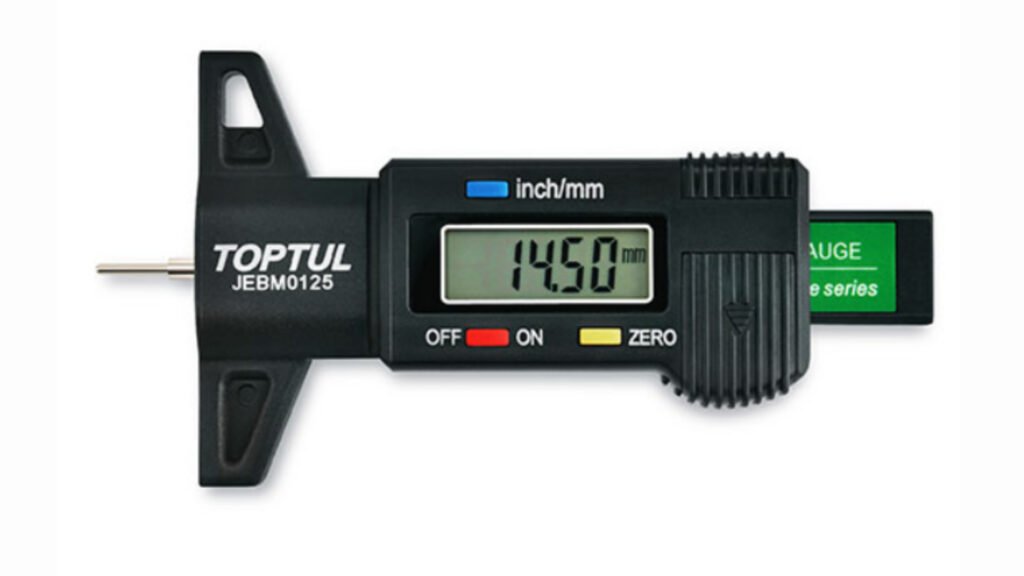
This method is precise and indisputable because it includes measuring tool calibrated for accurate measuremnent. this is essential for the commercial vehicle drivers as they are prone to legal actions.
Tread depth gauze rulers are similar to metal ruler, it comes with sliding pin. some of them come with digital screen for reading.
How to use it:
- park on the flat surface so you don’t get wrong measurement due to incline or decline posture.
- push or place pin of the gauge entirely in the depth of gauge housing.
- insert pin into deepest groove on the tire.
- push the base or handle completely flat until it touches top of rubber treads.
- read the result and if it is below 2/32 inch kindly replace the tire.
Method 5 – Mobile phone tread scanning
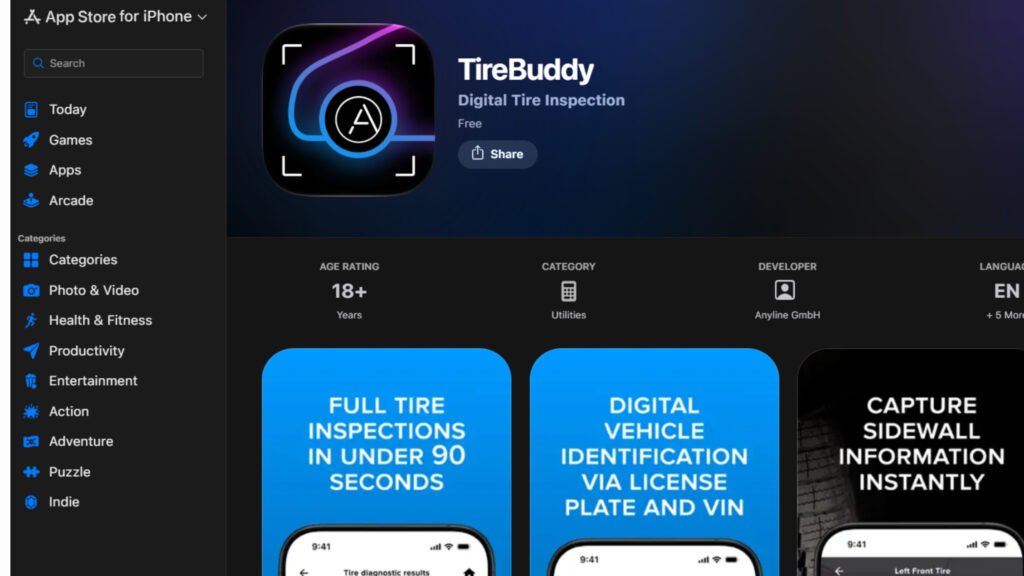
Yes, there is another reliable easy to access apps that can help you to measure tire treads with AI technology. Use your smartphone to scan the tire and it will let you know result.
Apps like Tirebuddy can be used to check tread, this uses camera to scan the tire and capture more than 10000 data points. it’s accuracy is high and even doesn’t misses 0.5mm change. great part is that it not only gives you single number but let you know the entire pattern across the tire.
Diagnosing uneven wear patterns
Checking depth of tread regularly let you know about your tire’s condition. NHTSA recommends every driver to check it at least once a month along with tire pressure.
However, sometimes tires wear pattern can be patchy and here is what it means:
- if your cars tire is less worn compared to the side edges, then it may be the air pressure problem. too much pressure causes bulge in the center making it take more friction on the road.
- if both inner and outer edges are worn and middle part is good then tire is below recommended air pressure. because of lower air pressure cars weight forces side edges to take all the weight making it more worn compared to middle.
- if only one sided edge is worn then it will be because of the misalignment of the wheels putting pressure on it.
NHTSA recommends to regularly check you cars tire’s air pressure and keep it as recommended on the label not the maximum pressure given on the tire.
When to replace tires?
Never consider only tread depth as a marker to replace your car’s tire. tire can degrade heavily because of environmental conditions like UV sunrays and weather driving conditions. NHTSA recommends to strictly check tires when they reach 5 years of age and completely replace it when they they are 6-7 years old regardless of how much is thread remaining.